Today’s fantastic 64 Million Artists prompt is to create a 3d space of your own!
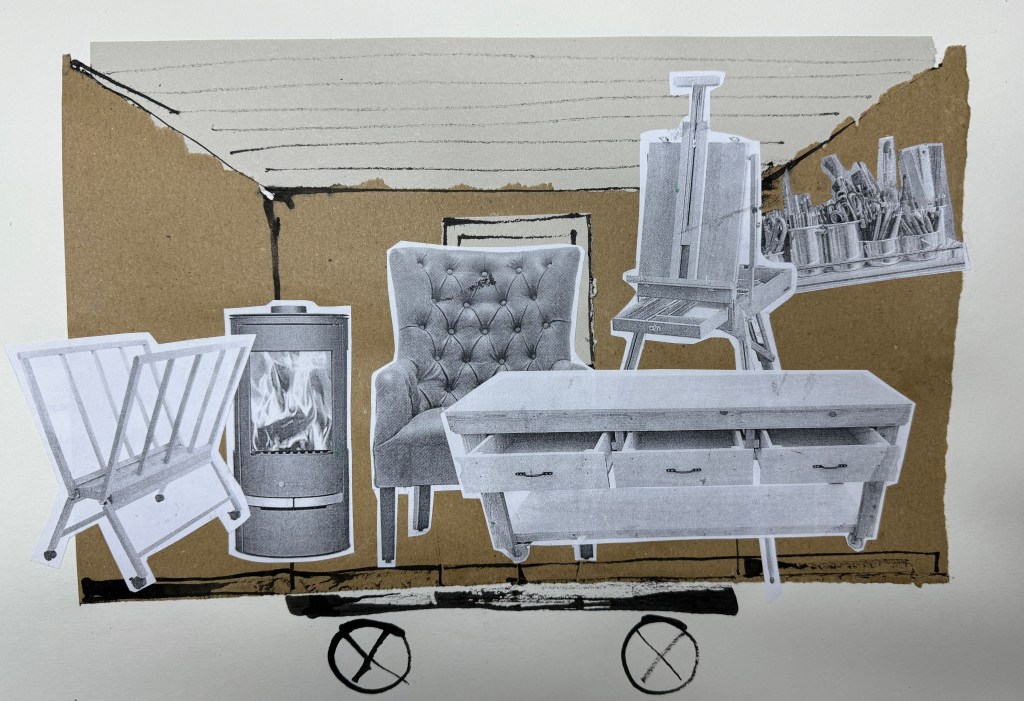
I create all my images in a small back bedroom. I have always wanted a shepherds hut converted in to a studio, complete with a wood burning stove. And that is the subject of todays masterpiece.
I am going to imagine I have my dream studio and set it up with the furniture that I want. This is perhaps a more crafting video, but I hope you’ll excuse my diversion away from art for the day.
I have looked through the internet to find the items I would must like to have in my studio and printed and cut them out. I’m going create a 3d-ish space using collage and then arrange the furniture.
I had to research today to find an artist using numbers to make sense of the 64 Million artists January Challenge – An Important date!
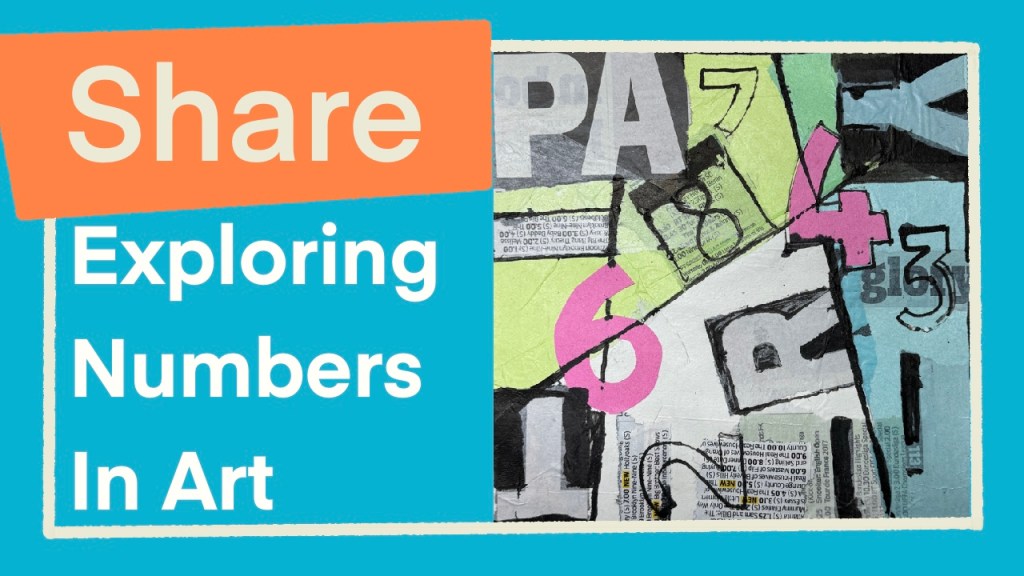
Todays task is going to be a complete experiment in my sketchbook using a mixed media approach. I did some research into artists using numbers in art and found Michael Soltis who uses numbers, text and colour to good effect. I want to use some of his ideas to inspire my own number pattern picture.
I’m going to be using some numbers cut from sugar paper, a cut-up news headline and some text from the tv listings as it contains numbers. I am going to try using black lines running in diagonal directions. I am going to use layers of tissue paper to colour the text beneath.
Finally to give eat work some impact I am going to use my inky stick! You could use pastel over the top of the ink to add more texture. Or add acrylic paint.
Don’t forget to hit that subscribe button and ring the notification bell so you won’t miss any of the upcoming creative adventures. Share your progress in the comments below, and let’s inspire each other on this exciting artistic voyage!
Today’s Video is inspired by the 64 Million Artist challenge prompt ‘If I knew then,’ where I’ll share a not-so-smooth experience from my life.
During the height of the Covid pandemic, being classified as vulnerable due to Cystic Fibrosis, I diligently followed government advice to stay away from public spaces. However, a fateful encounter with a trapped pigeon in our fence taught me a valuable lesson.
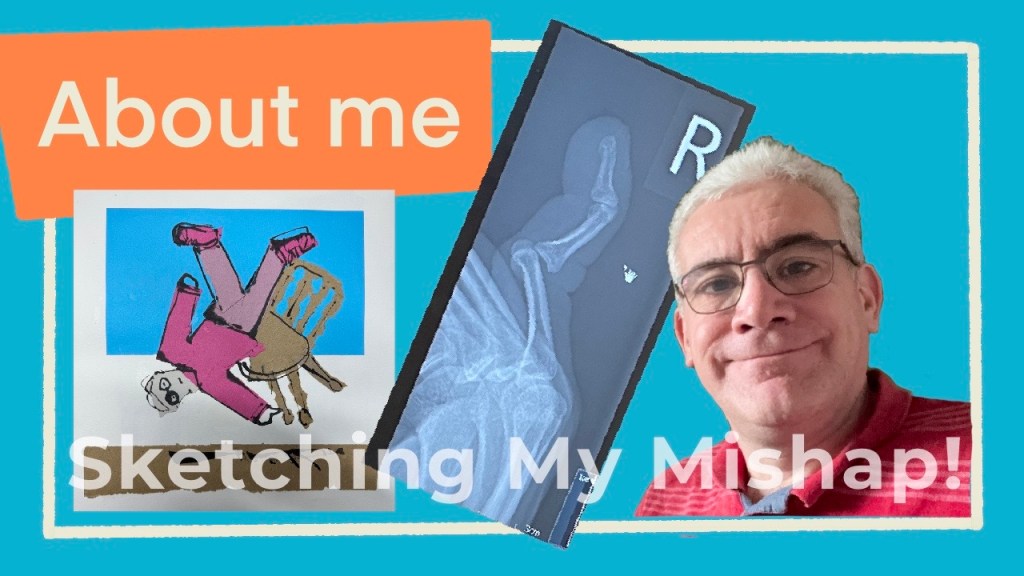
In my youtube video, I’m using my go-to materials – Sugar paper, Modge Podge glue, and my trusty Inky stick – to create a collage illustration depicting the incident.
Twenty minutes before broadcasting my hospital radio show from my home office, a clever idea struck me to free the trapped bird using a broom and an old dining room chair.
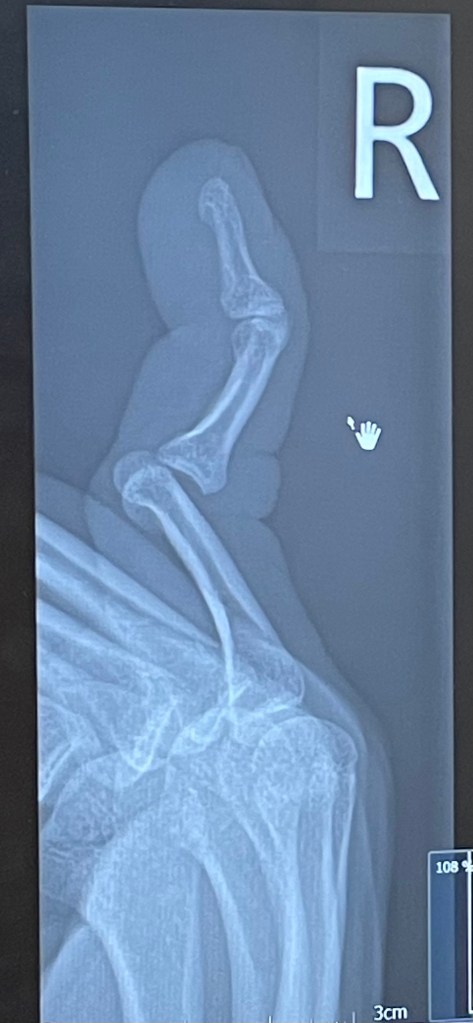
Setting up the chair on uneven gravel, I stepped onto the seat and found myself flying through the air to an untidy heap on the ground. Checking for damage to the chair I discovered I had dislocated my little finger.
I spent the next 3 hours in Accident and emergency – Minor Injuries department.
The pigeon escaped from a gap at the end of the fence on our neighbours side.
Lesson learned – Don’t use a chair as a ladder!
Join me in sketching out this mishap, and let’s explore the ‘If I Knew Then’ challenge together. Sometimes, art is the best way to reflect on life’s quirky lessons. 🚀🖌️ #SketchingMishaps #64MillionArtists #IfIKnewThen”
Today’s blog is an exciting one as we dive into the 64 Million Artists January Challenge, particularly the intriguing “Rainy Day Dance” prompt. I’m thrilled to guide you through the process of capturing movement effortlessly using Derwent XL Blocks.
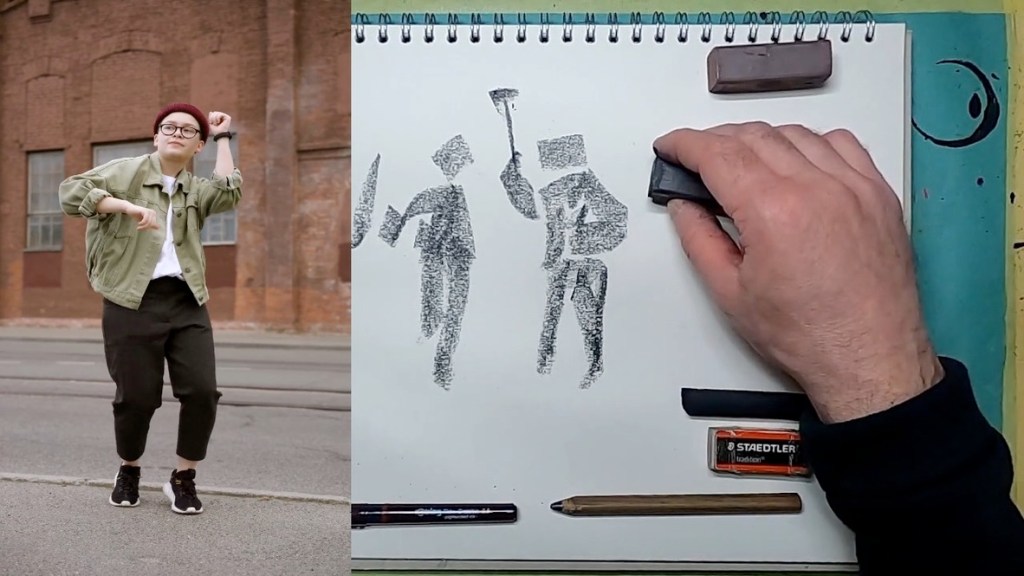
In this challenge, we’re focusing on sketching movement, and I’ll be sharing easy steps to convey the beauty of dance through the expressive marks of Derwent XL Blocks. This versatile medium is not only user-friendly but also perfect for translating the dynamic essence of movement onto paper.
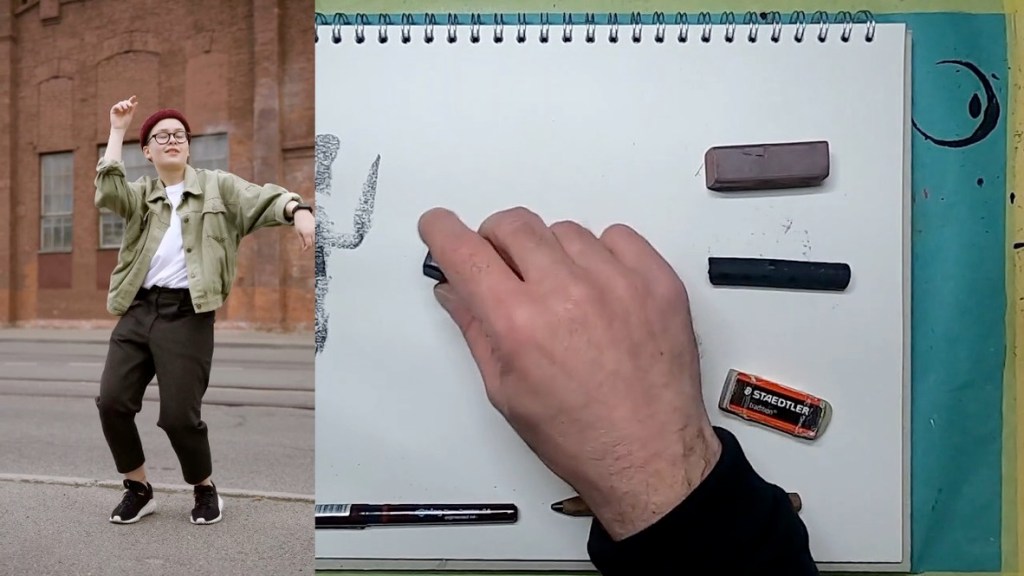
Breaking Down the Action To get started, let’s break down the complexity of dance movements. Using a video of a dancer, we’ll dissect the body into key components – arms, legs, head, and torso. Take time to observe and understand the interplay of these elements as dance unfolds. Interestingly, the majority of movement resides in the hips, legs, and arms, while the head and torso remain relatively stable.
Simple Techniques for Expressive Sketching With a few simple techniques, we can create dynamic sketches. Begin by quickly blocking in the head as a square and the torso as a rectangle. Now, focus your attention on the fluid movements of the arms and legs. Derwent XL Blocks allow for bold and expressive marks, making it easy to capture the energy of the dance.
Practice Anywhere Take this technique beyond the studio! Whether you’re at the park, in a shopping mall, or waiting at a bus stop, observe people’s movements. Apply the same principles – the head and torso remain in one position while the arms and legs move and pivot.
Watch and Try: I’ve created a video to demonstrate these techniques in action. Watch, learn, and then give it a try! It’s a wonderful exercise in mastering movement and adding a dynamic touch to your sketchbook.
Don’t forget to share your creations in the comments below. Let’s embark on this journey of artistic exploration together! 🚀🕺💃 #SketchingMovement #DerwentXLBlocks #ArtisticTechniques”
Today, we’re diving deep into the 64 Million Artists January Challenge with a unique prompt titled ‘Hello Me,’ set by Sonal Tank. Our mission? To create something extraordinary from the ordinary, letting creativity flow freely.
Abstract Art Exploration
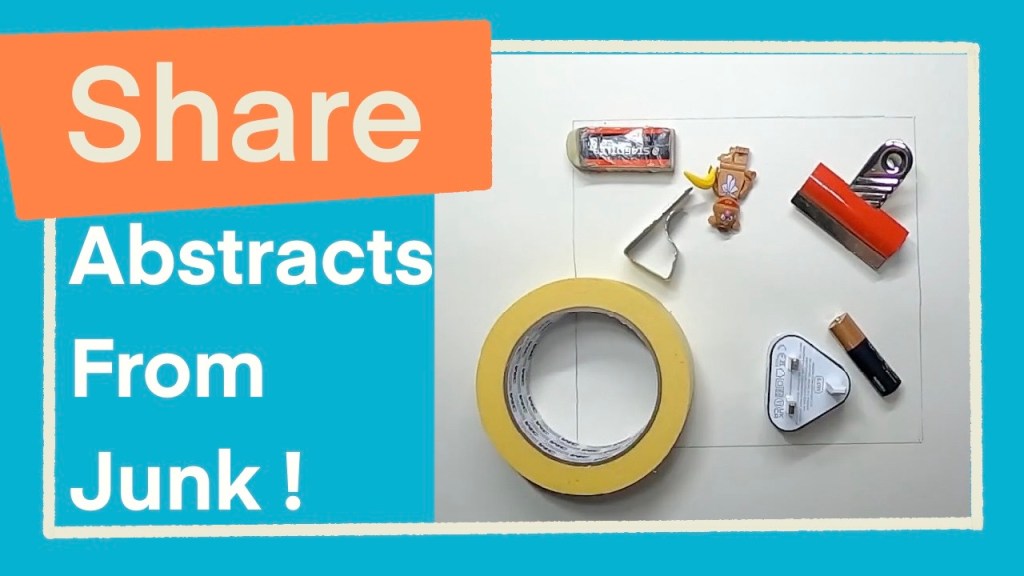
I’ve chosen to delve into the world of abstract art for today’s challenge, allowing intuition to take the lead. The beauty of abstract art lies in its spontaneity – a chance to create without the confines of a photo or image. Inspired by Sonal’s prompt, I’ll be using household items to introduce chaos onto my canvas. I’ll scatter them and trace their outlines with ink, forming the foundation of abstract shapes to build upon.
Colourful Expressions
When it comes to colours, trust your instincts and emotions. For my palette, I’m opting for primary colours, known for their brightness and appeal. However, the beauty of abstract art lies in its flexibility. You could choose serene greys and neutrals for a painting of calmness or opt for bold reds and blacks for maximum impact.
Mastering Techniques
Abstract art provides a fantastic opportunity to explore different techniques. In this process, we’ll master the art of letting go, allowing our feelings to guide the strokes. The primary palette becomes a tool for self-expression, capturing moods and emotions in vibrant hues.
Reflection and Enhancement
As you progress, take moments to look back at your work. Has it captured your mood and expression? Is there anything else you’d like to add? Abstract art is a journey of continuous exploration and self-discovery.
Ready to unlock your creativity? Grab your sketchbook, gather those household items, and give it a go!
Todays challenge comes from Scotland to create a sketch of your peaceful place. I’m really looking forward to this one!
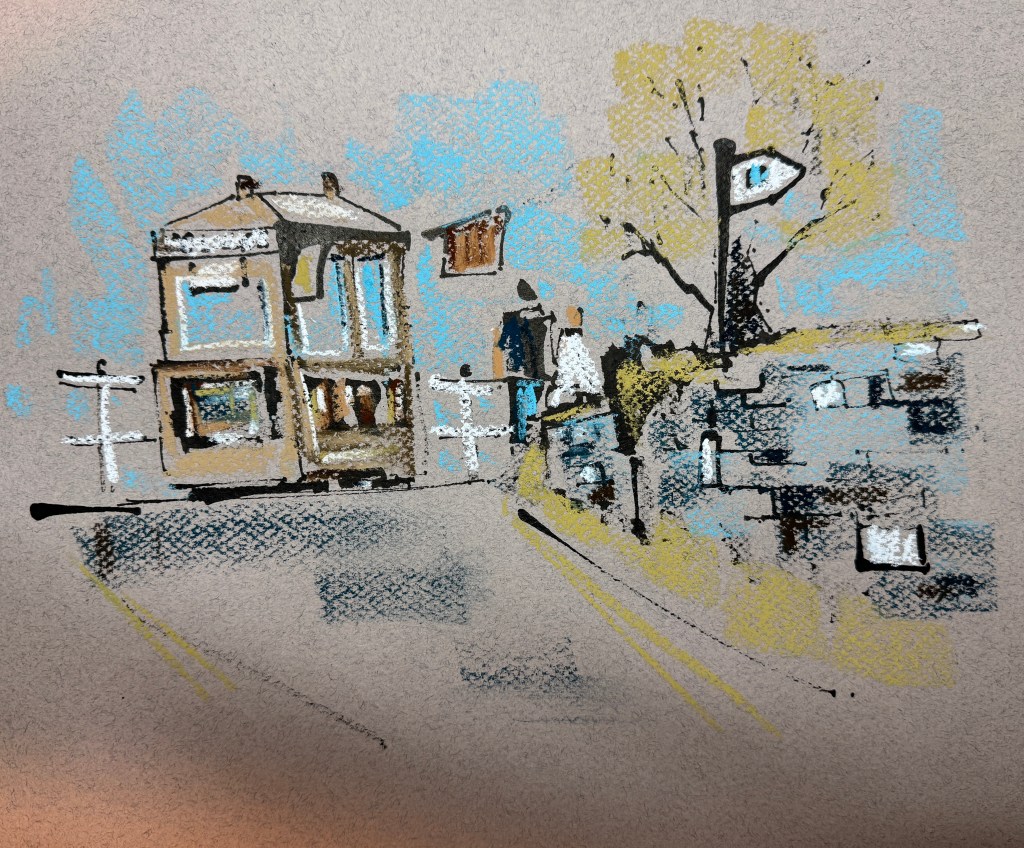
My peaceful place is Saundersfoot, in Pembrokeshire. A small way up near Wiseman’s bridge is a little red ice cream van. It by the coastal walk and is manned by a lovely lady. It probably seems strange to choose a peaceful place that is normally full of sound, but its where I feel most comfortable.
In my video I am going to sketch out my picture using ink and then use pastels to colour the image.
Unison brought out some small cheaper selection boxes of half stick and I will be using their drawing, reds and blues sets. This limited palette will allow me to concentrate on tone.
I’ve treid to paint this in the style of Edward Wesson. It’s simple and uses a limited palette.
Don’t forget to hit that subscribe button and ring the notification bell so you
Sometimes you just want to paint but inspiration or subjects are not available, try this…
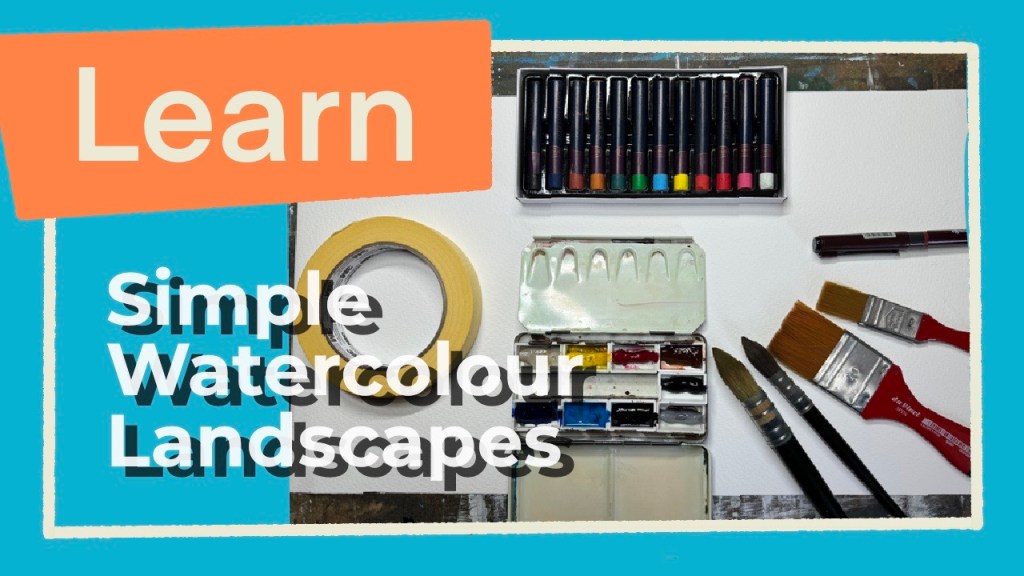
If you’ve ever wanted to dive into watercolour landscapes but didn’t know where to start, you’re in the right place!
In this video, inspired by the 64 Million Artists January Challenge prompt – Fanzine.
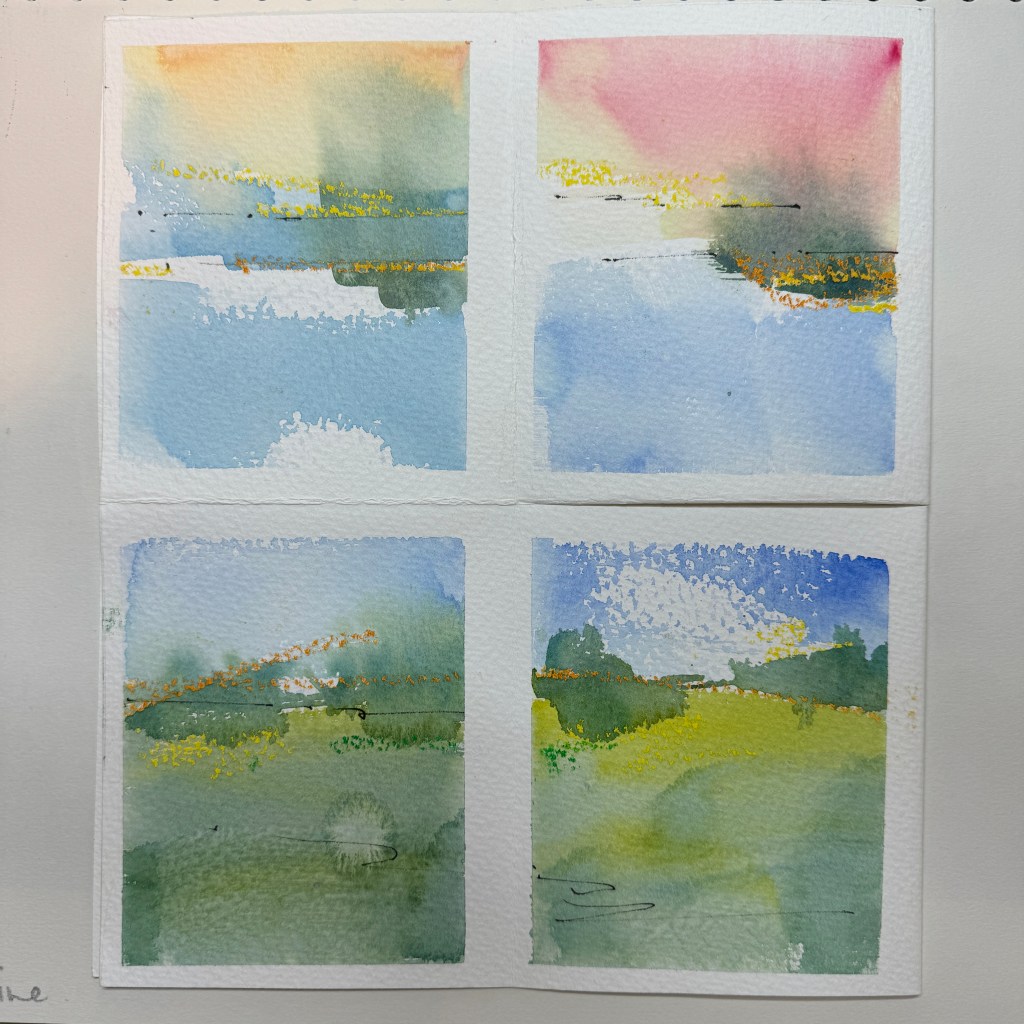
I’ll guide you through a quick and beginner-friendly technique to craft an inspirational booklet featuring 8 stunning watercolour landscapes. And guess what? It only takes about 5 minutes!
Materials You’ll Need: Watercolour paper Scissors Masking tape Watercolour paint (blues and yellows) Large flat watercolour brush Oil pastels
This is an ideal exercise for beginners or anyone who wants to experiment with watercolour. Use combinations of different colours to see how they mix on the page and to create a dictionary of colour!
Let’s Dive In:
Fold the paper into quarters, creating a neat grid for your landscapes. Secure the paper on a drawing board with masking tape. Grab those oil pastels and make random marks on the paper. With your largest watercolour brush, create a quick, one-stroke blue sky – no fussing allowed! Paint a vibrant yellow foreground under the sky, going over the oil pastel marks. Once dry, unveil your masterpiece by removing the tape.
It’s day 11 of the 64 Million Artists January Challenge. I’ve decided to take a day to reflect on the previous tasks and how well I have rendered them.
It’s important as artists to stand back from your work and check how things are progressing. It’s something I do as part of my practice, working in small stages and taking a break between steps.
The work that I have produced during the first 10 days of the January challenge has been very random, but recognisable as my work. I often wonder what I am trying to say through art. What is important to me, my style, my techniques, or how I am growing and learning?
I do know that I like telling stories, I like people to be surprised by my art. I like to use black lines and primary colours. I’m not into details or realism.
Take time today to reflect on an old sketchbook. Have you changed as an artist? Can you see an improvement, are there any shortcuts you can now take from the knowledge recorded within the pages of your sketchbook?
Michael Rosen has set today’s Janaury challenge! The 64 Million Artists crew are pulling our the big guns!
Michale has asked us to create a poem using sounding words and our earliest memories. Poetry was never a string subject for me at school but Michael has given some advice to create using sounding words.
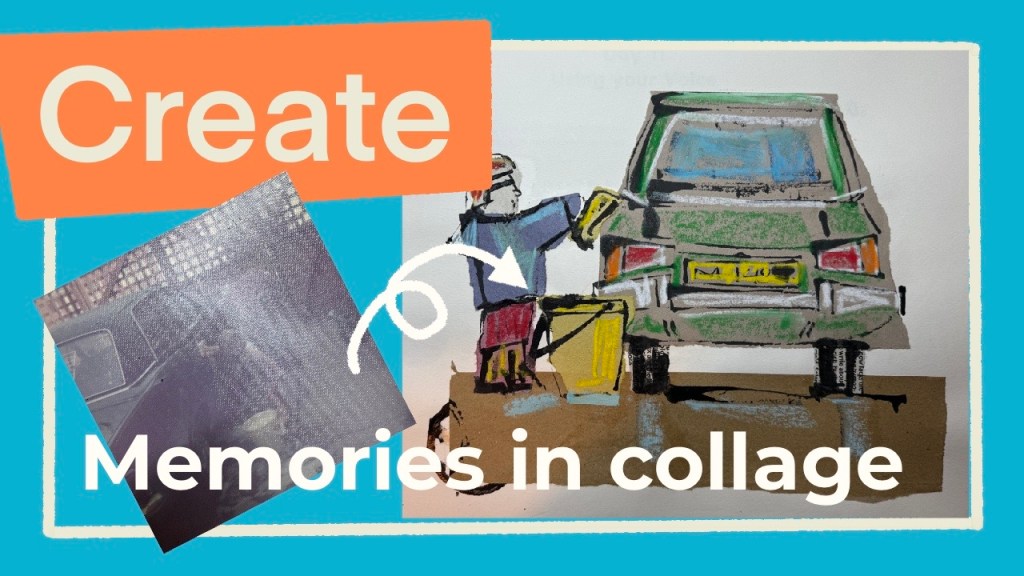
My earliest memory is washing the car with my dad. So I am going to collage an image of me and my dad washing his old car, the vauxhall viva.
The poem
Swishing, Swashing We’re car washing, Buckets and sponges Wet legs and hands, Top to bottom Side to side, The swishing, swashing Car washing ride!
Okay, so it’s not going to challenge the works of Shakespeare so I’ve also created an illustration as well.
Collage is a very versatile medium and you can create loose work or nicely scissor cut images. I love to tear the paper and use the edges as guidelines. This encourages looser work. I use sugar paper which has a lovely matt effect against the inky blackness of my line work.
My warmest friend is my dog who we brought for our son who has been asking since he was able to talk! She sleeps on our bed and is the best hot water bottle in the world. Fortunate for me then that today’s 64 million artist January challenge is to create a picture of your warmest friend!
Don’t make drawing a barrier to creating art.
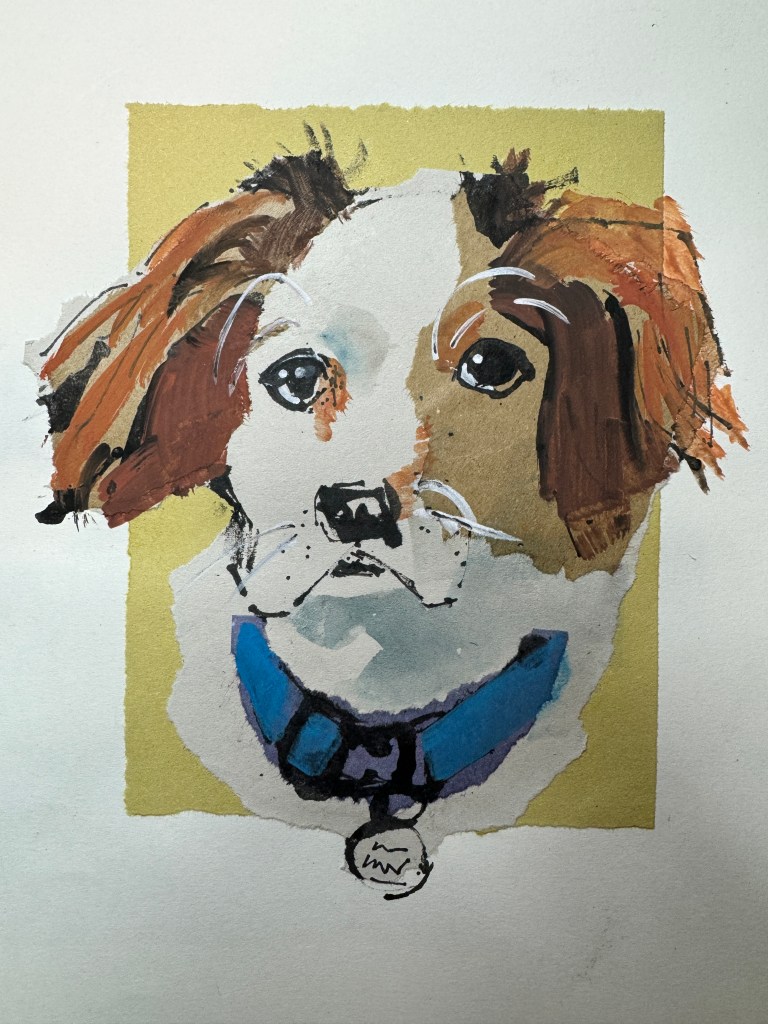
In this this tutorial I will show you how to easily create a portrait of your pet using collage, ink and gouache paint. You don’t even need to be good at drawing! I am going to use a photo as my starting point.
I’m using children’s sugar paper as my base material. I’m going to use a warm yellow background as this is a warm task! You can use any coloured paper or magazines. Text works really well.
Follow my youtube video to immortalise your pet portrait.